What you can own
Thirteen of them are jobs
you could hire someone for
So here is an honest verdict on each: what to do yourself today, what to learn, and the one place where doing it yourself is a false economy. This is the Role Map, and it is built into IMATU so you always know which jobs you are holding and which you are ready to hand over.

Artist Manager
Own it nowRun yourself like a small business: a plan, a calendar, one honest review a week. Almost every artist you admire self-managed at the start, and it is how you learn the business well enough to hire brilliantly later.
When to hand it off: A manager earns their 15 to 20% when real money and real offers arrive. Until then, that 20% is worth more to you.
Songwriter
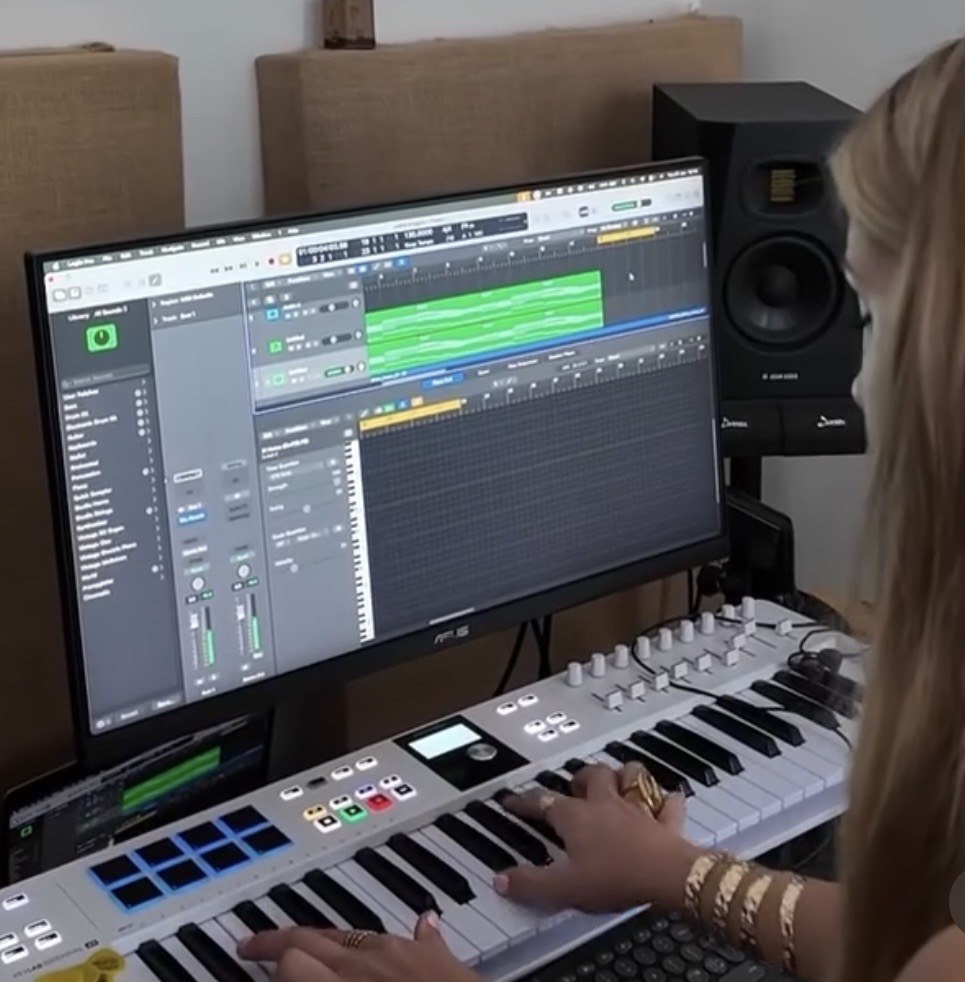
Own it nowNobody can do this for you, and craft is trainable. A song a week teaches you more than a masterpiece a year. Co-write early: it is the industry's default mode and the fastest teacher there is.
When to hand it off: A publisher enters when your songs earn money you cannot collect alone. That is a good problem, and a later one.

Producer
Learn itYou do not need to be world-class. You need demos good enough to compete and enough of the language to work with someone better. That is one to two years of practice, not ten.
When to hand it off: Pay a producer when a song deserves better than you can make. Often negotiable for a reduced fee plus a share once you have momentum.

Visual Creative
Own it nowYour whole visual world: styling, photos, video, artwork. This costs taste, not money. Some of the most iconic looks in music came out of charity shops and conviction. Everyone at your stage needs portfolio too, so trade instead of paying.
When to hand it off: A stylist and a creative director arrive with budgets. Until then your taste is the brand, and owning it early means nobody else defines it later.

Booking
Own it nowNo agent books unsigned artists at the bottom of the ladder. Artists self-book their first fifty shows: open mics, support slots, local promoters, college nights. A good email and one strong live video is the whole toolkit.
When to hand it off: Agents appear when your shows sell, usually when you are filling rooms of 100 to 300. Your gig history is exactly what convinces them.

Press & Radio
Own it nowOne story, two sets of inboxes. Write your own bio, get decent photos, build a list of realistic outlets, and pitch the story rather than the song. Your national grassroots radio route is free and genuinely listened to.
When to hand it off: A publicist or plugger earns their fee when there is national-level news to sell. Before that, they amplify momentum they cannot create.

Marketing
Own it nowThe most learnable job on this list, and you already grew up on the platforms. Three to five posts a week filmed on your phone beats expensive polish. Claim your artist profiles, start a mailing list, and only spend on ads once something is working for free.
When to hand it off: An agency makes sense when you have revenue and your time is genuinely better spent on music. You will brief them far better for having done it yourself.

Distribution
Own it nowGenuinely solved. For a flat annual fee your music goes everywhere, and you keep your masters and almost all of the money. There is no reason to wait for anyone's permission to release.
When to hand it off: Full-service distributors come to you with advances once your numbers justify it, and your owned catalogue is your leverage.

Record Label
Own it nowYou already are one. The old label bundle has been taken apart and every piece has a version you can do yourself. Releasing independently is not the consolation prize; it is how you build the leverage that makes any future deal better, or unnecessary.
When to hand it off: When labels call, you choose from strength. An artist with an owned catalogue and clean data negotiates. An artist without them accepts.

Publishing & Rights
Learn itEarly on this means one thing: making sure every pound your songs earn reaches you. Register with your collecting society, register every song, and agree splits in writing the day you write them. A text message counts.
When to hand it off: Never sign a full publishing deal early without a lawyer. Admin deals, which take a percentage but no ownership, are the safe middle ground.

Money & Accounting
Learn itKnow what you spend, what you are owed and what each release actually costs you. Most artists never write this down, spend blind, and are owed money they never chase. Knowing your real cost per release turns a grant application from a guess into a calculation.
When to hand it off: An accountant arrives with real income. The habit has to start long before that, which is why it is built into the app.

Legal
Never fully DIYLearn the basics, absolutely. But signing a significant deal without independent legal advice is the single most expensive mistake young artists make. Join your musicians' union first: membership usually includes free contract review and standard templates, which is the cheapest protection in music.
When to hand it off: Any deal involving ownership of your masters or songs, exclusivity, or more than trivial money: pay a specialist. A few hundred pounds protects millions.

A&R
Not hired, attractedThe one job on this list you cannot do, learn or buy, because it sits on the other side of the table. A manager works for you and takes a cut of what you earn. An A&R works for a label and is deciding whether to back you. Knowing that difference is worth a lot.
When to hand it off: You do not hire A&R. You attract it, by doing the other twelve well enough that ignoring you starts to look like a mistake.
You are already doing nine of these jobs
That is not a complaint, it is just what building a career looks like now. What breaks people is not the workload, it is doing all nine at once with no order and no idea whether any of it is working. IMATU gives you the order: one stage at a time, one list a week, and an honest answer when something is not ready.
Join the waitlist